
A therapy with the potential to change the trajectory of joint health
CG-001 is an investigational, single intra-articular injection intended to be administered during standard surgical repair for ankle fractures. It is designed to halt the biological cascade that drives post-traumatic osteoarthritis (PTOA) before irreversible cartilage damage occurs.

How it works in the injured joint
Joint trauma triggers a surge of reactive oxidant species (ROS) from the mitochondria of cartilage cells. This oxidative stress causes those cells to die and the cartilage to break down. CG-001 contains amobarbital, a reversible inhibitor of Complex I in the mitochondrial electron transport chain, which is designed to blunt ROS production. By protecting cartilage cells at the source of injury, CG-001 aims to preserve joint structure and function.

Designed for both clinical impact and surgical simplicity

Ease of use
Delivered as a single dose during the same surgical procedure that takes place as standard-of-care for fracture repair.

Targeted action
Focused on the root cause of cartilage breakdown rather than symptom management.

Economic rationale
In contrast to cell and gene therapy, small molecule manufacturing and stability support strong health economics that are expected to support routine use and enhance health outcomes.

Broad applicability
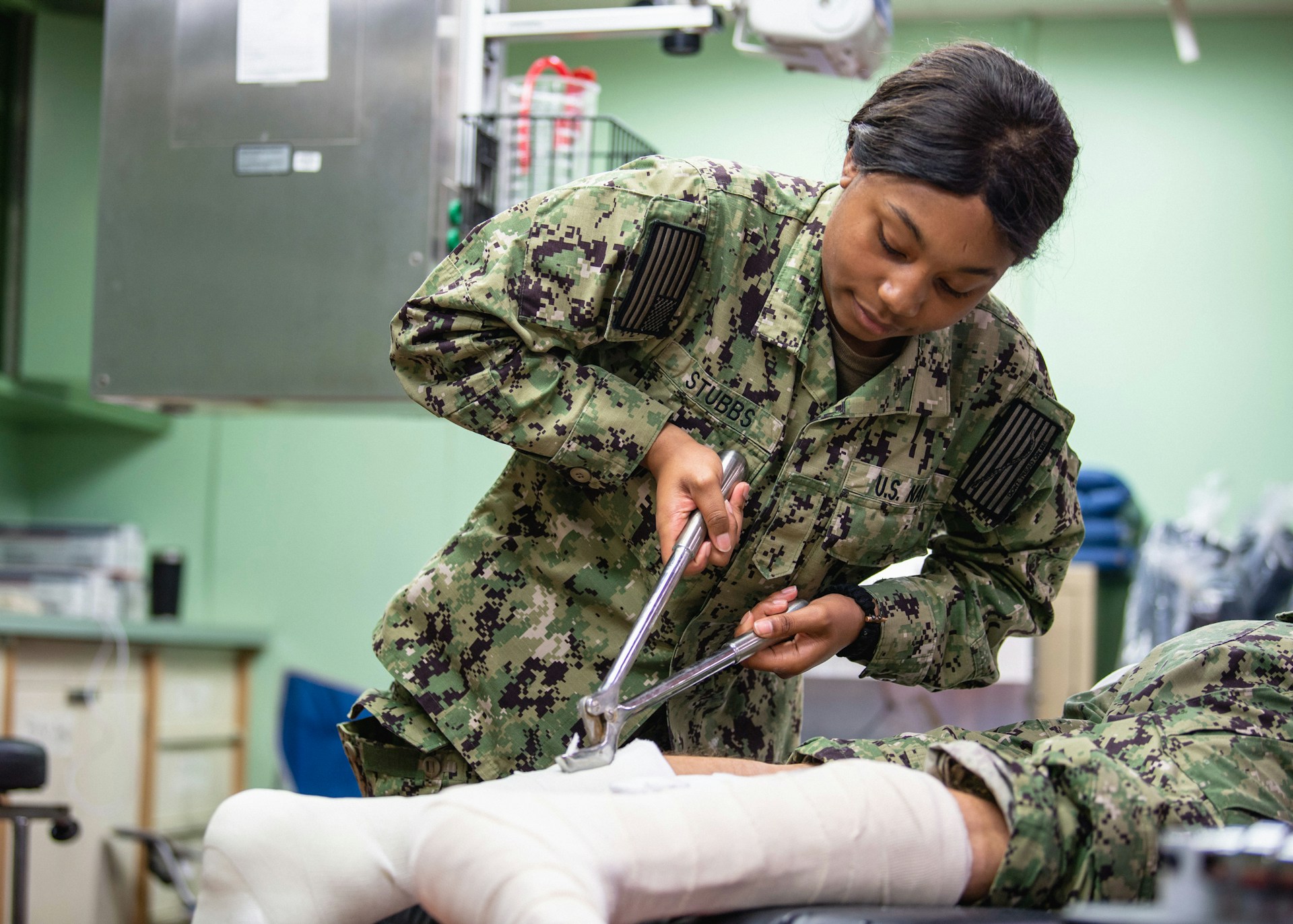
Relevant to both civilian and military injuries. Initial focus is on ankle fractures, but the scientific platform offers long-term sequenced growth with potential applications to other traumatic joint injuries.
From concept to the operating room
While administration during our clinical testing follows a simple procedure for combining amobarbital, the active ingredient in CG-001, with hyaluronic acid before administration, future development will feature a pre-filled, single-use syringe that combines both components for speed, consistency, and ease of use. The goal is to integrate CG-001 seamlessly into existing surgical workflows without adding procedural time or complexity.

Safety and efficacy to date
- Preclinical: Large-animal models of ankle fracture showed significant cartilage protection over 12 months and more than 40% fewer full-thickness cartilage lesions compared to controls.
- Clinical: Completed Phase 1 trial with no adverse safety findings.
- Next step: Phase 2 efficacy trial planned at multiple Level-1 trauma centers with Department of Defense support.

Future opportunities where CartilaGen can improve patient care and lower health-related costs
While our first indication targets high-risk ankle fractures, the same oxidative stress pathway is involved in other traumatic joint injuries.
This opens the door for future studies in a wide range of injuries of daily life involving the knee, hip or spine.
Combat-related injuries

Sports-related trauma

Civilian injuries of daily life
Take the next step toward collaboration
If you’re a surgeon, researcher, or investor interested in advancing this first-of-its-kind therapy for for treating joint injuries to prevent PTOA, we’d like to talk.