
The disease hidden behind the injury
Post-traumatic osteoarthritis (PTOA) is the progressive breakdown of articular cartilage in synovial joints after injury. Biological changes begin immediately after trauma and once the damage starts, there is currently no way to reverse it.

PTOA is a serious and costly problem
PTOA affects millions of Americans and costs the healthcare system billions of dollars every year. After ankle fractures, the impact on quality of life is similar to that of end-stage renal disease (ESRD) or congestive heart failure (CHF)—often ending active careers, including those of military personnel injured in the line of duty. In fact, after battlefield injuries, PTOA following ankle fractures represents the single largest cause for military discharge.
Smith et al.; Protocol for a randomised feasibility trial comparing a combined program of education and exercise versus general advice for ankle osteoarthritis; Journal of Foot and Ankle Research, p. 2

PTOA quickly takes hold
In high-risk ankle fracture patients, PTOA can develop in as little as 12 months after injury, with an average onset of just two years. Studies show that 58% of certain types of ankle fractures will lead to PTOA within a year—even when surgical repair is performed. This rapid timeline leaves little room for intervention before symptoms appear.
Mechanical repair isn’t enough
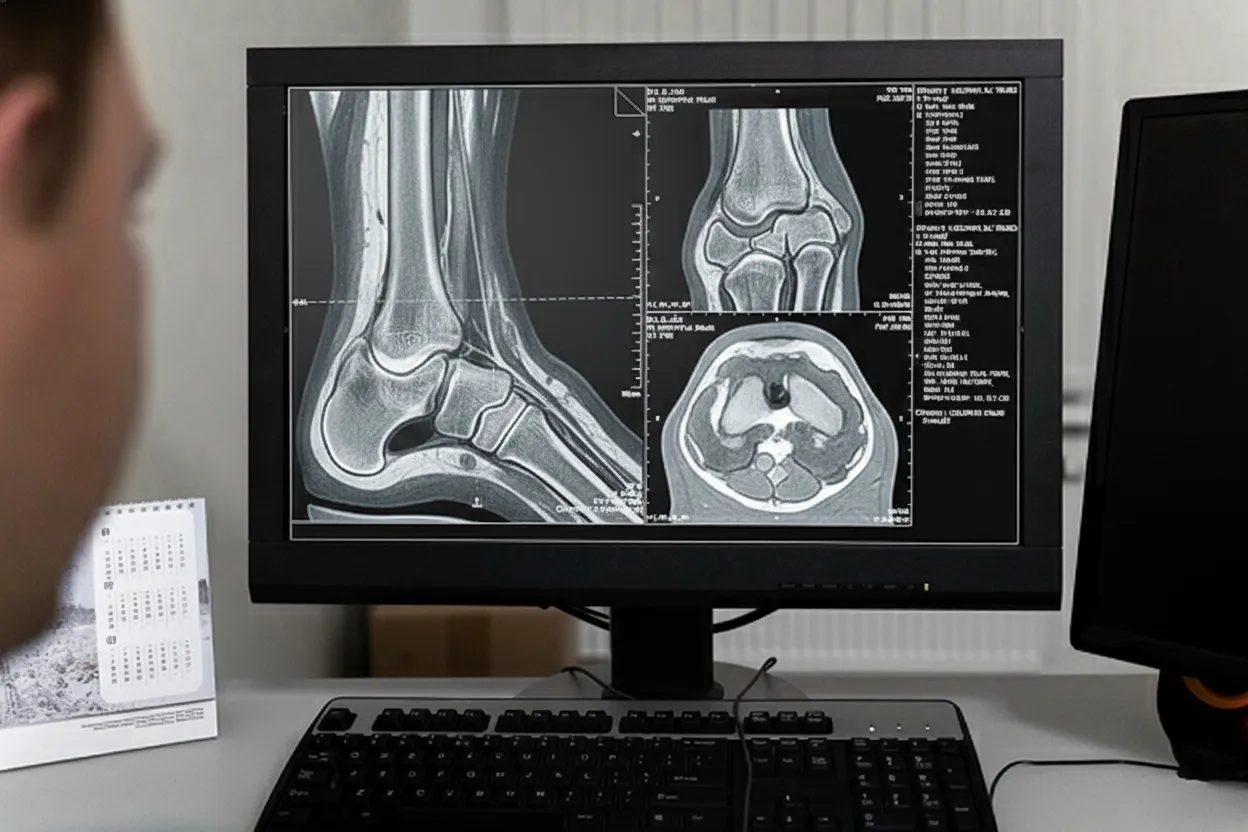
Standard surgical repair, such as open reduction and internal fixation (ORIF), restores alignment and stability to the bone. However, it does nothing to address the surge of oxidative stress that occurs in the cartilage immediately after injury. This biological cascade kills cartilage cells, damages the joint surface, and has been refractory to preventive care for decades despite advances in surgical technique.

Visualizing the damage






The ankle is the ideal starting point
Ankles are less prone to primary osteoarthritis than other joints, but they are far more likely to develop PTOA after trauma. This makes ankle PTOA an ideal model system for understanding the pathology of joint trauma and for developing novel therapeutics.
- Clear and well-documented disease prevalence
- Predictable, high-risk patient groups
- Strong existing clinical trial infrastructure
- Historical Department of Defense funding for PTOA research and technology development
Take the next step toward understanding the solution
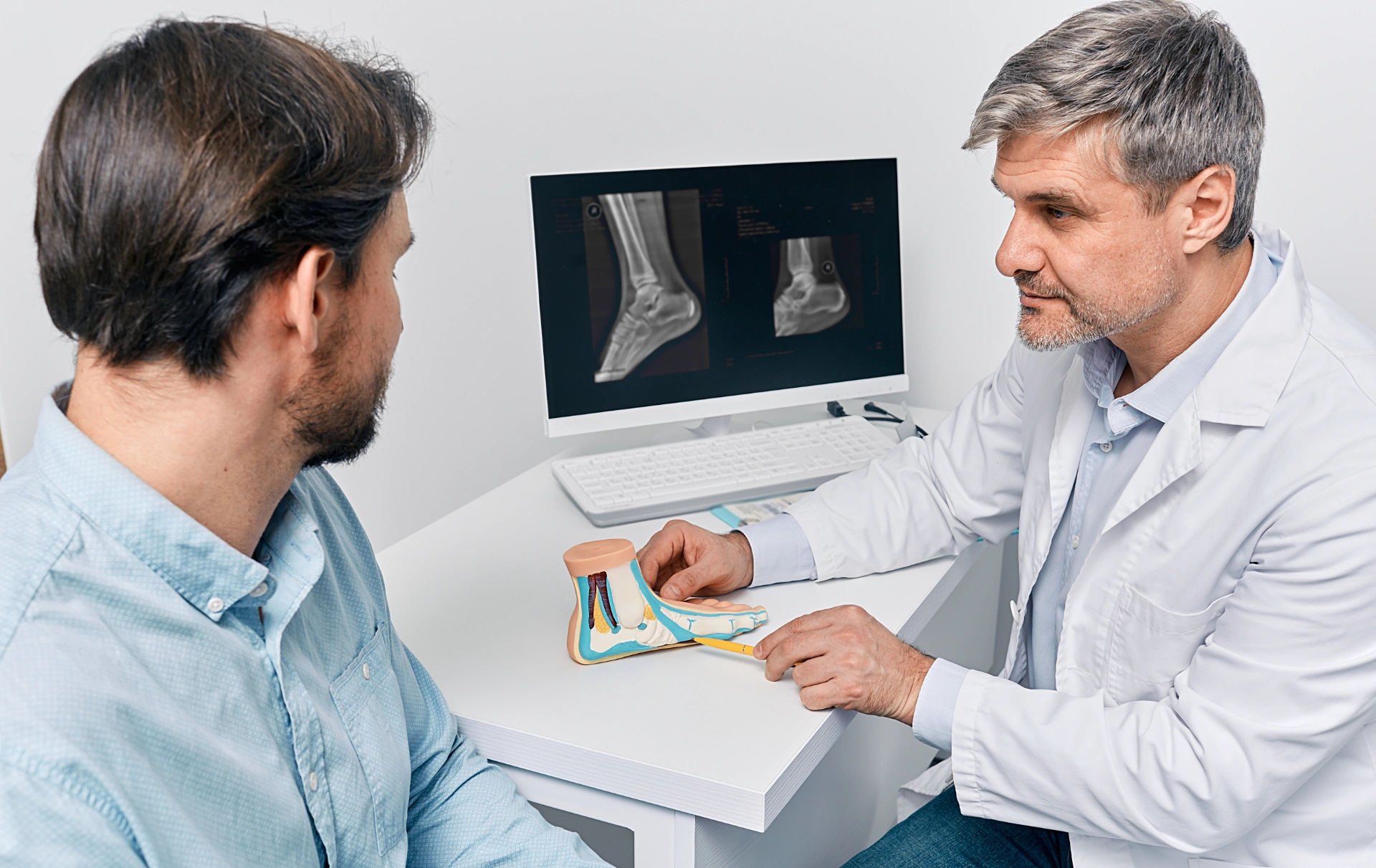
The first step in changing the outcome for PTOA patients is altering the biological trajectory before the damage is done. Learn how CG-001 is designed to do just that.